Get our Chilean Spanish guide for free! Download here

Chile is a long sliver of land between the Pacific and the Andes, a territory of extremes that is home to everything from the planet's most arid desert to ancient glaciers.
If your suitcase is packed for adventure, this guide is for you. Because Chile is more than a destination: it's a collection of living postcards. We've traveled the length of the country to present you with the 10 essential places every traveler must experience.
Get ready to be amazed!
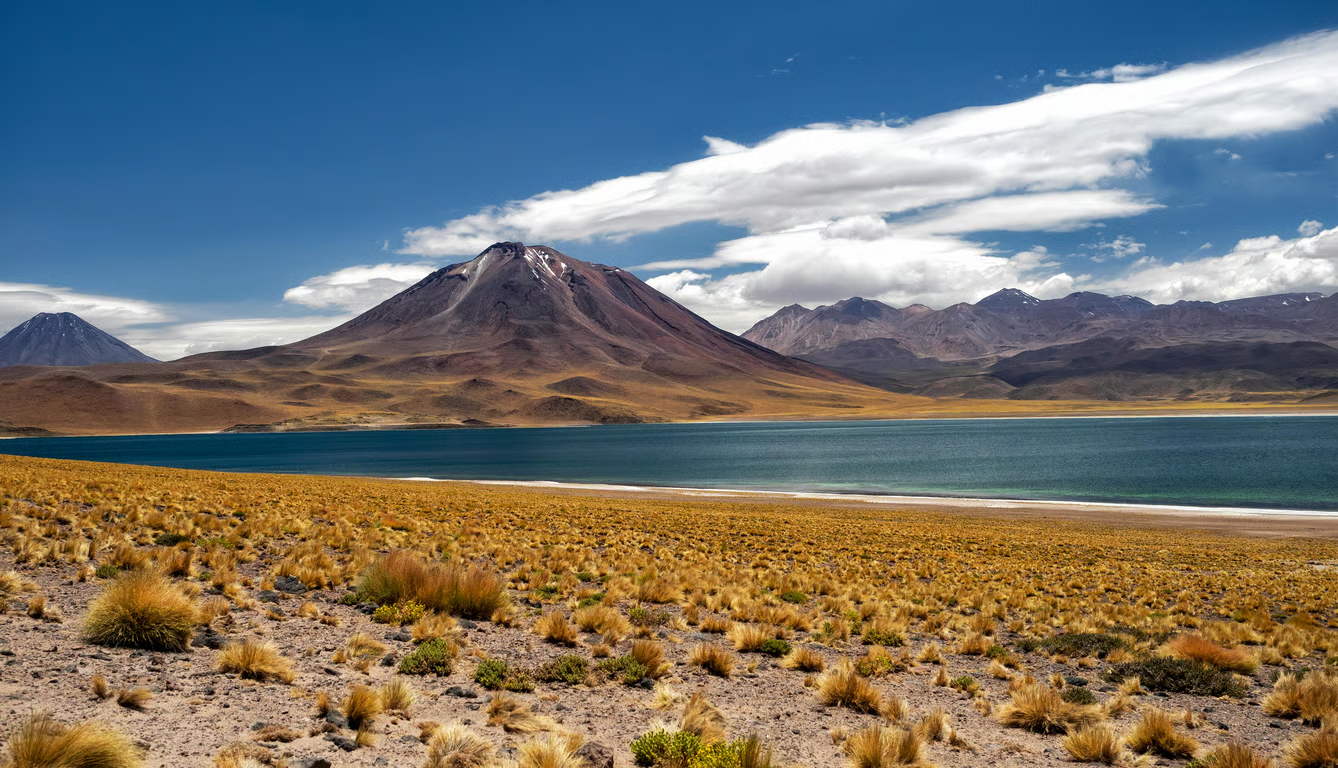
San Pedro is not just a destination; it is a sensory experience. This adobe village is the heart of the Atacama Desert and serves as the base for exploring some of Earth's most surreal landscapes.
Why go? To feel as if you're on Mars in the Valle de la Luna (Moon Valley), float in the salt flats of the Salar de Atacama, see the world's highest geysers at dawn in El Tatio, and swim in the turquoise waters of high-altitude lagoons like Miscanti and Miñiques.
Don't miss: Sunset at the Valle de la Luna. The play of colors over the salt and clay formations is a spectacle you won't forget.
Traveler's Tip: The altitude is real (2,400 meters in the village and up to 4,300 meters at the geysers). Take it easy the first few days, stay very hydrated, and avoid alcohol. Book tours with certified local operators.
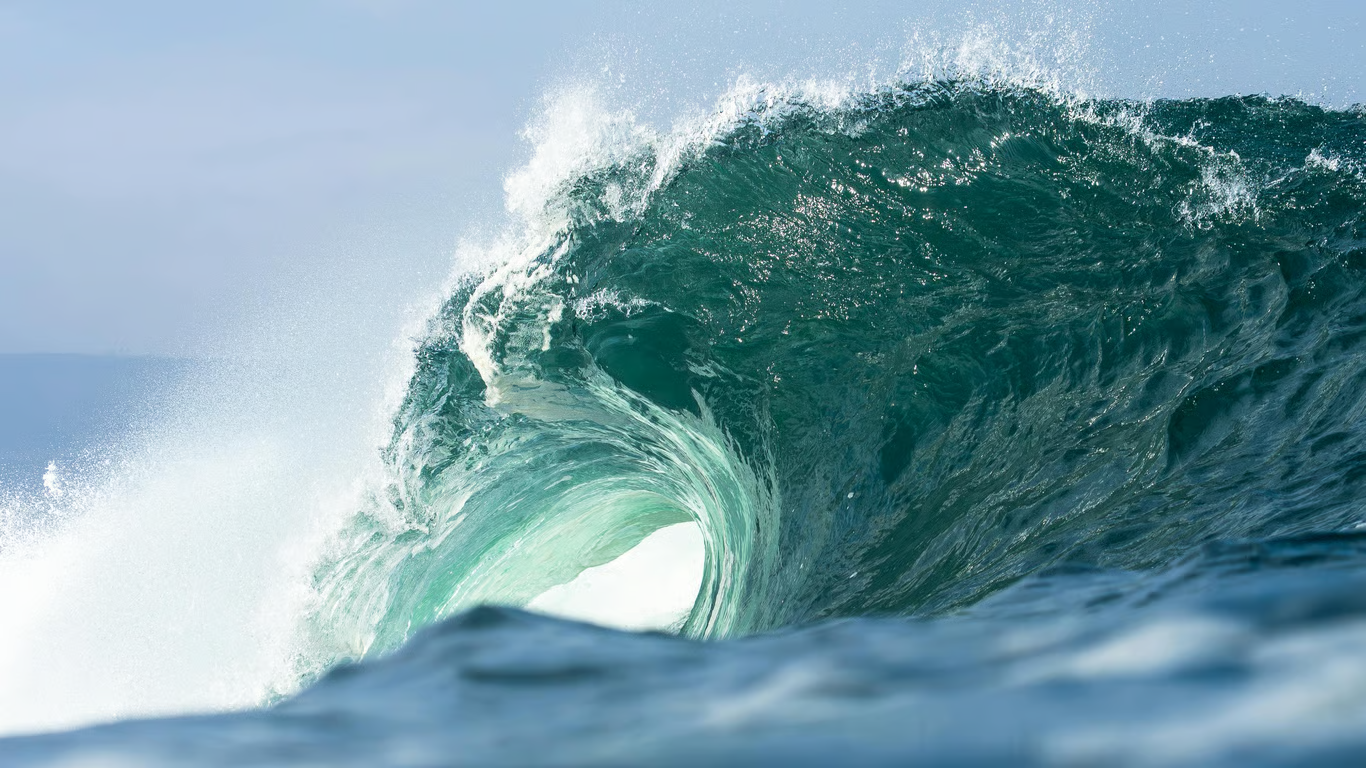
Iquique blends the heritage of the nitrate era with a vibrant beach life. Its perfect climate and consistent waves make it the surfing capital of Chile.
Why go? To stroll along the picturesque Paseo Baquedano and see the Astoreca Palace, go sandboarding on the giant dunes of Cerro Dragón, visit the abandoned nitrate mining offices of Humberstone and Santa Laura (a UNESCO World Heritage Site), and, of course, to surf.
Don't miss: The view from the Cavancha lookout at sunset, with the stunning contrast of desert, sea, and city.
Traveler's Tip: An unmissable trip for lovers of history and mystery is to Cerro Pintado or Cerro Unita, home to the Gigante de Atacama (Atacama Giant). This 86-meter-long, pre-Columbian geoglyph is one of the largest anthropomorphic figures in the world and has dominated the pampa (plains) for centuries.
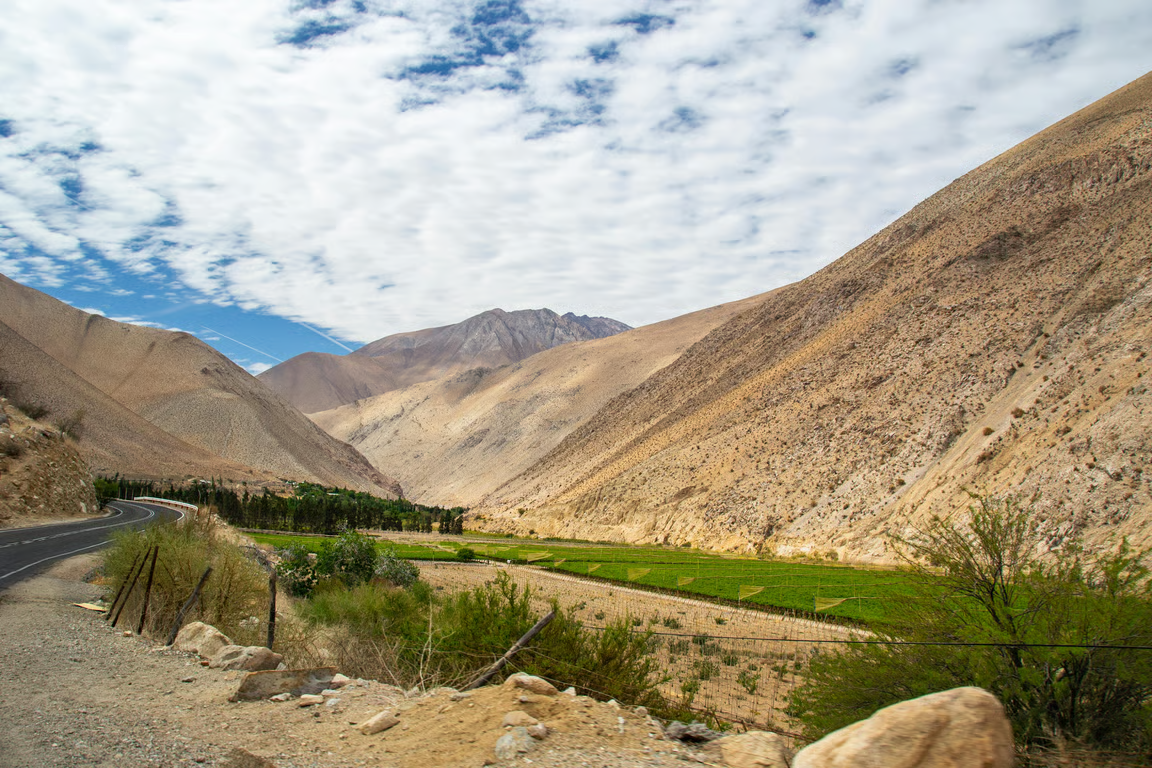
A fertile valley surrounded by arid mountains, famous for being the birthplace of pisco (the national brandy) and for having the clearest skies in the southern hemisphere.
Why go? To visit vineyards and pisco distilleries, stargaze at one of its many astronomical observatories (both tourist and scientific), and feel the unique energy in the esoteric village of Cochiguaz.
Don't miss: A night of stargazing. The clarity of the sky is such that you'll feel you can touch the Milky Way.
Traveler's Tip: Stay at least one night in accommodations with domes or skylights. The village of Pisco Elqui is a charming place to spend the night.
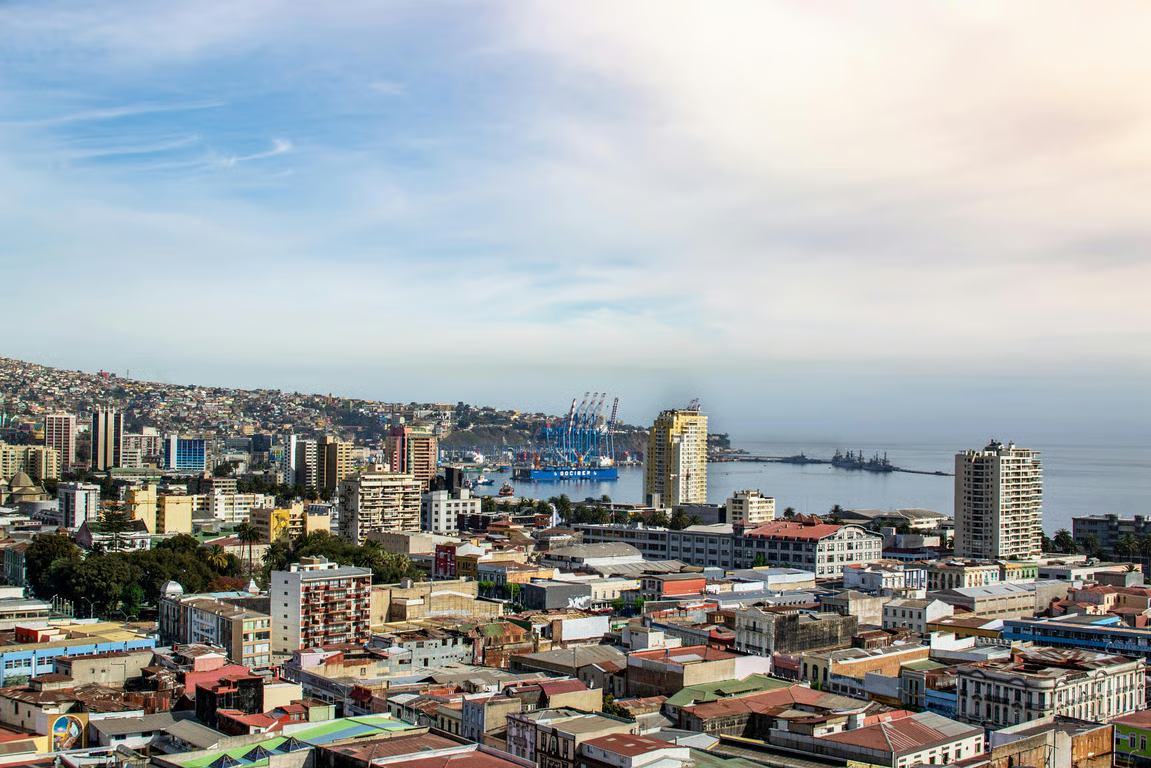
These two neighboring cities, with their contrasting characters, form a perfect pair. Valparaíso, with its chaotic beauty and street art; Viña del Mar, with its seaside elegance and immaculate gardens.
Why go? To get lost in the hills of Valpo, explore its art galleries, ride its historic funiculars (ascensores), and enjoy its nightlife. In Viña, to relax on its beaches, visit the Botanical Garden and the Flower Clock.
Don't miss: A boat tour of Valparaíso Bay to see the city from the sea. It's affordable and offers a unique perspective.
Traveler's Tip: In Valparaíso, be mindful while walking and avoid the hills after dark if you're unfamiliar with the area. The real magic is in the Alegre and Concepción hills.
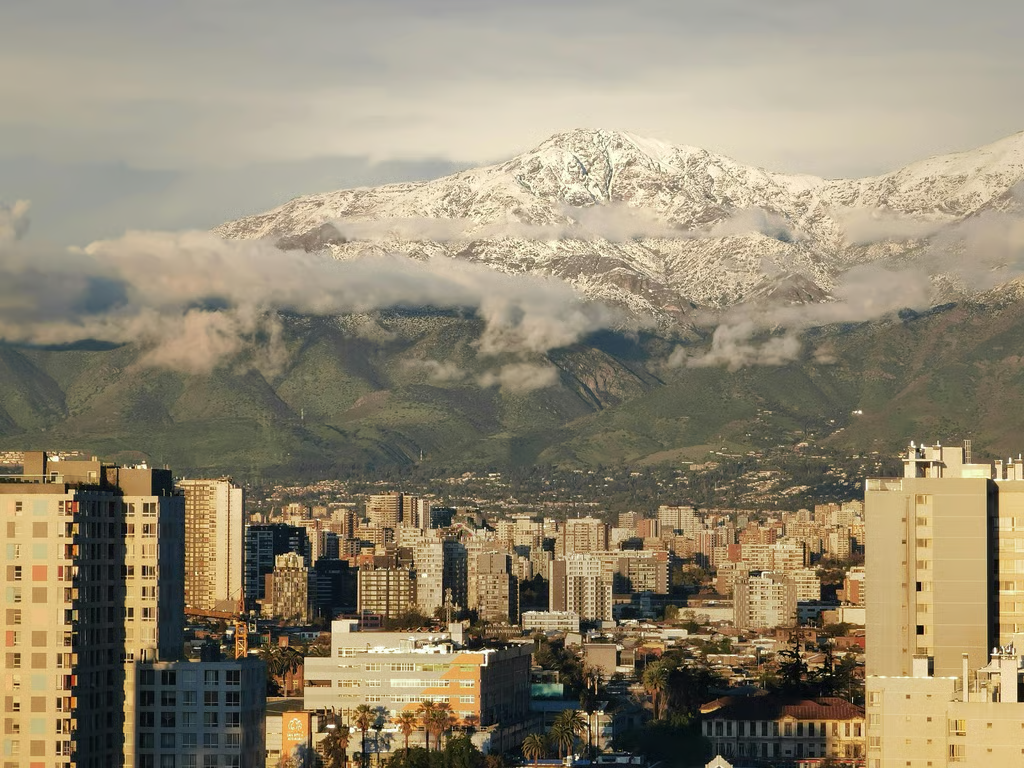
Many use it only as an entry point, but Santiago has a personality of its own that deserves to be explored for a couple of days.
Why go? To hike up Cerro San Cristóbal for a panoramic view of the city and the Andes mountain range, visit the Fine Arts and National History museums, explore the vibrant colors of the Central Market, and sample the cuisine in neighborhoods like Lastarria, Italia, or Bellavista.
Don't miss: The Centro Cultural La Moneda, which hosts world-class exhibitions, and a tasting of Chilean wines at one of its many wine bars (vinotecas).
Traveler's Tip: Use the metro—it's efficient, clean, and the best way to avoid traffic. Top up a Bip! card (also valid on buses) to save time. Line 1 (red) is your best ally, connecting key neighborhoods like Bellavista (Baquedano), the city center (La Moneda), and the financial district (Tobalaba).
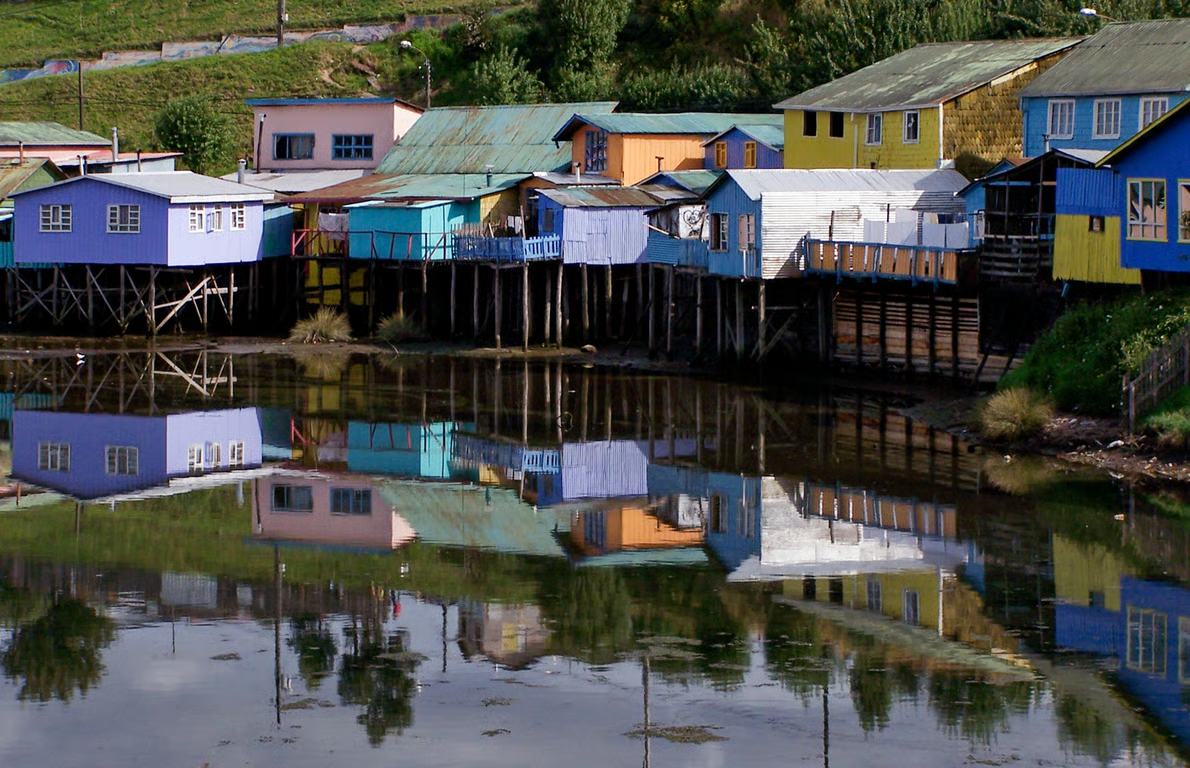
A magical archipelago where reality and legend intertwine. Chiloé is a world of its own, with a culture, cuisine, and architecture unique to Chile.
Why go? To see its iconic wooden churches (16 are UNESCO World Heritage sites), admire the colorful palafitos (stilt houses) in Castro, try curanto (a traditional meal cooked underground), and explore Chiloé National Park.
Don't miss: A tour to spot Humboldt and Magellanic penguins in Tantauco Park or at the Puñihuil Islets.
Traveler's Tip: Bring waterproof clothing. The weather in Chiloé is unpredictable and it rains a lot. Don't leave without trying licor de oro, a typical liqueur from the island.
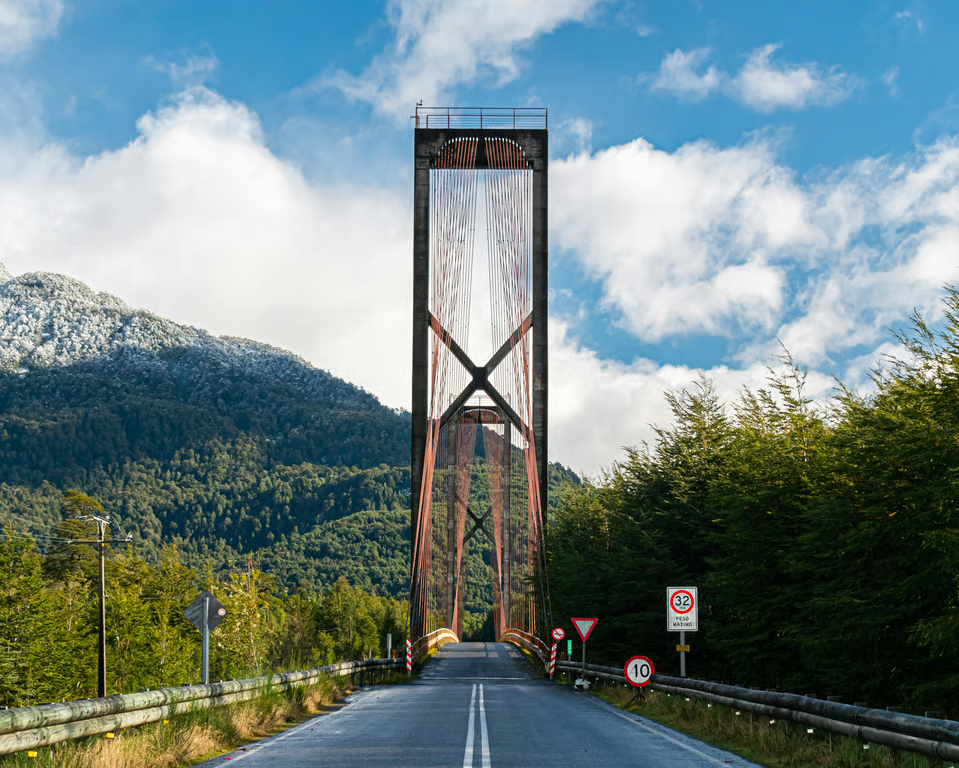
This is the dream of every traveler seeking the wild. A route of over 1,200 kilometers that winds through fjords, glaciers, turquoise rivers, and ancient forests. It is the most famous paved route in South America.
Why go? To see the Marble Chapel on Lake General Carrera, navigate among icebergs in Laguna San Rafael National Park, hike in Queulat National Park to see its "Hanging Glacier," and feel the vastness of Patagonia.
Don't miss: Cerro Castillo National Reserve, a less crowded but equally spectacular rival to Torres del Paine, with a breathtaking trekking route.
Traveler's Tip: The best way to travel it is by car or high-clearance vehicle. Bring cash, as ATMs are scarce. Plan your trip in advance, as it involves taking ferries (transbordadores).
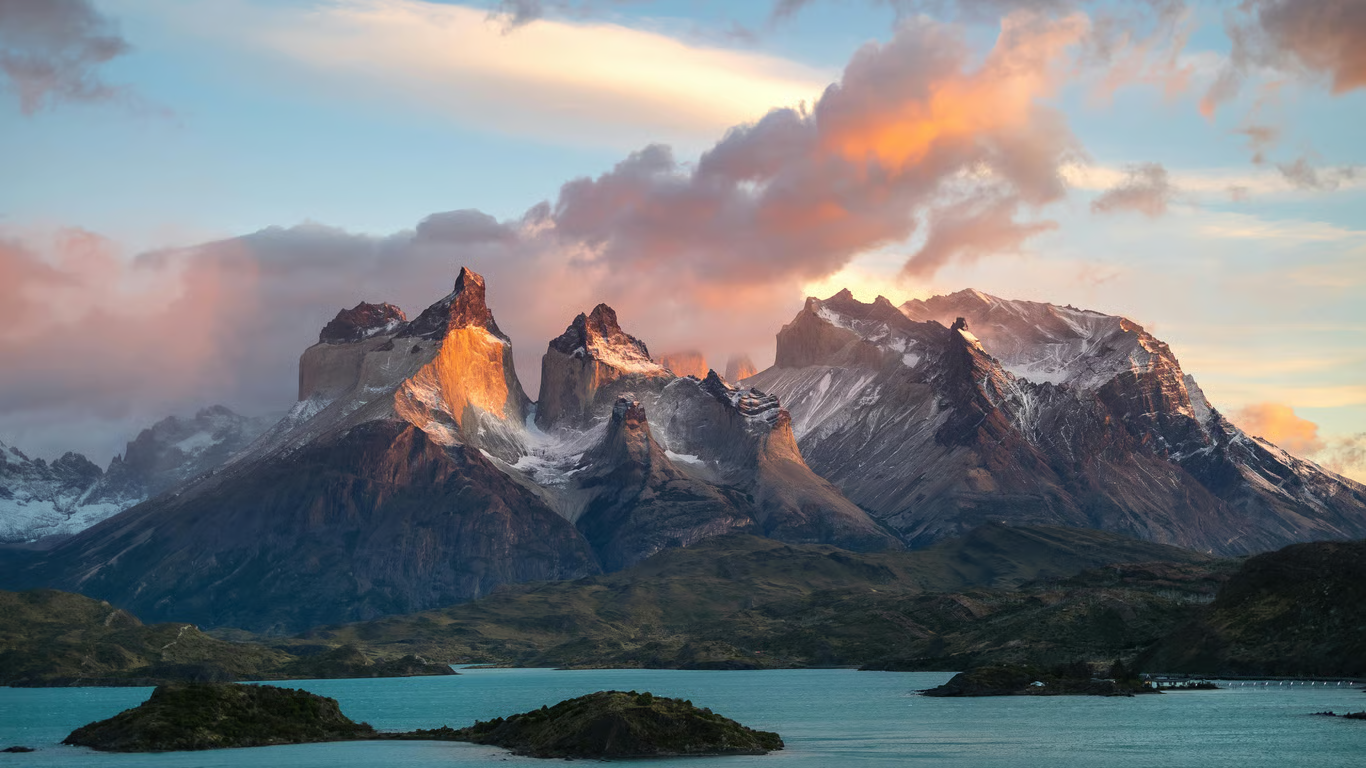
It is the most famous and spectacular national park in Chile. Its granite towers, horns (cuernos), glaciers, and turquoise lakes create a landscape that defines the word "epic."
Why go? To complete one of the world's most famous treks: the "W" or the full "O Circuit" (requires planning and fitness). For less avid hikers, there are day trips to see the towers from the Base viewpoint or to sail in front of Grey Glacier.
Don't miss: Sunrise at the Base de las Torres viewpoint, when the sun lights the granite towers with a fiery red glow (weather permitting).
Traveler's Tip: Book EVERYTHING well in advance: lodging inside the park (refugios or campsites), buses, and flights. The weather changes in minutes: bring clothing for all four seasons in a single day.
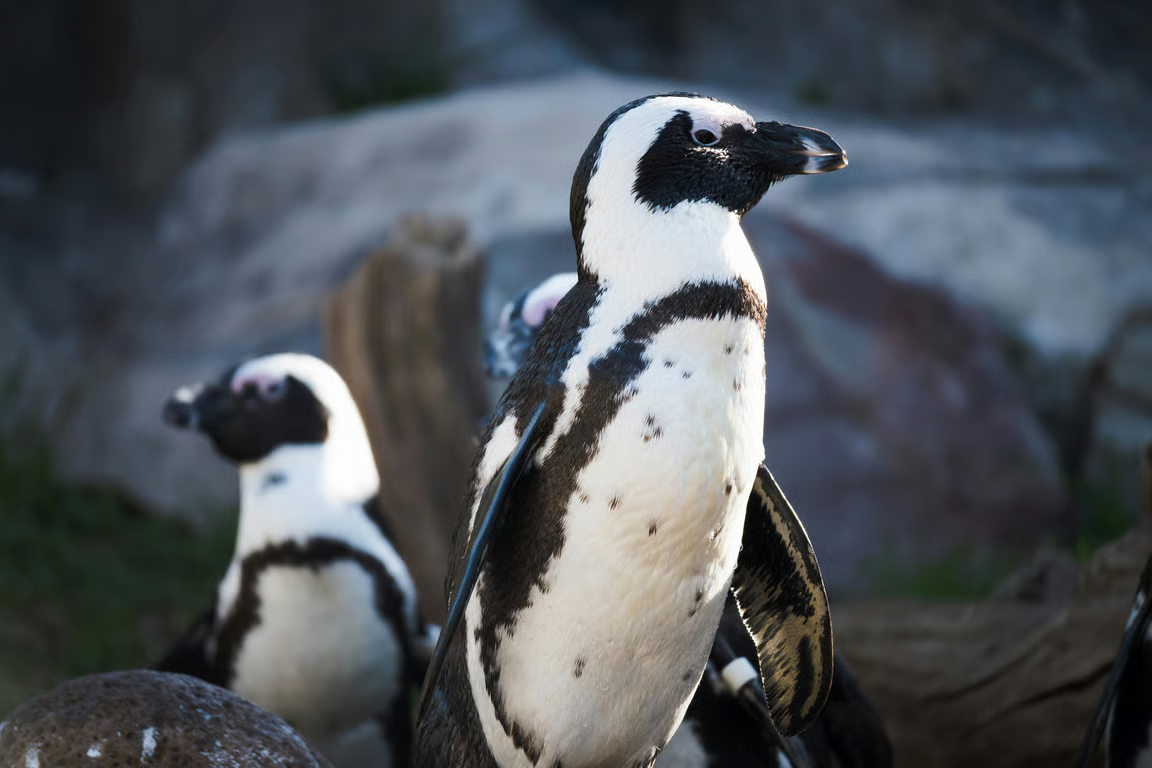
The most important city at the southern tip of the continent. Surrounded by steppes and relentless winds, it was a crucial gateway to Antarctica and the Atlantic.
Why go? To visit the Municipal Cemetery, an open-air museum of sculptures; see the Magellanic penguins on Magdalena Island (a colony of over 120,000); and stand on the shore of the legendary Strait of Magallanes.
Don't miss: The viewpoint at Cerro de la Cruz for a panoramic view of the city and the strait.
Traveler's Tip: From here, you can take tours to King George Island to see the king penguin colony (summer season) or embark on an expedition to Antarctica.
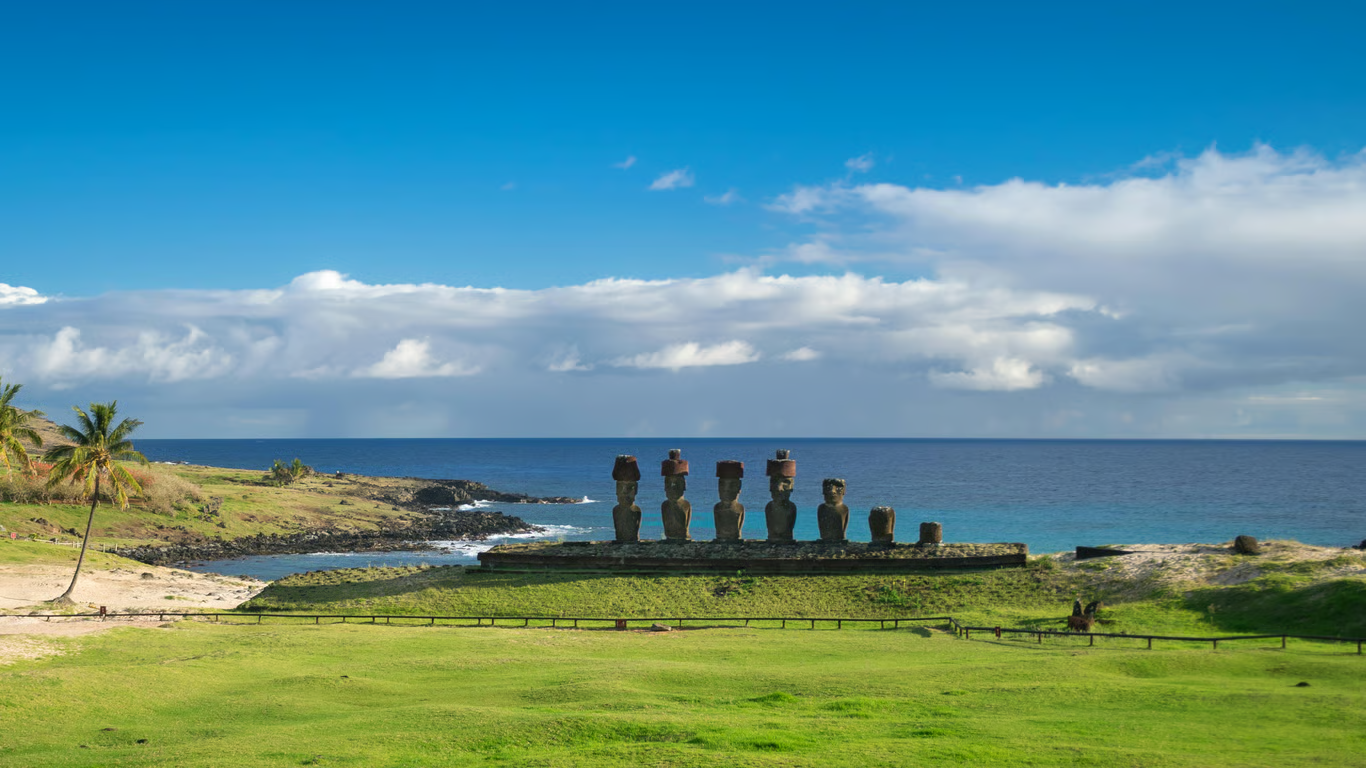
This is Chile's most remote and enigmatic destination. A volcanic island in the middle of the ocean, famous for its moai—the gigantic stone statues that watch over the coast.
Why go? To marvel at the living Polynesian culture, witness sunrises and sunsets in front of the moai at Ahu Tongariki, explore the Rano Raraku quarry where the statues were carved, and relax on pink sand beaches like Anakena.
Don't miss: The Tapati Rapa Nui festival (February), where ancient competitions are held and the island's culture is revived in all its strength.
Traveler's Tip: It is an expensive destination. Flights and accommodation are costly. Plan for at least 4-5 days to explore the island at a relaxed pace. Renting a 4x4 or an ATV (quad) is the best way to get around.
Climate: Chile has every type of climate. Pack in layers and always bring sunscreen (the ozone layer is thin here).
Distance: Distances are enormous. Consider domestic flights to save time on long journeys (Santiago - Punta Arenas, Santiago - Easter Island).
Currency: The currency is the Chilean Peso (CLP). Carry cash for remote areas, although credit cards are widely accepted in cities.
Safety: Chile is a safe country by Latin American standards, but use common sense: be mindful of your belongings in crowded places.
Chile is a country that challenges, inspires, and leaves you breathless. From the overwhelming silence of the desert to the roar of Patagonia's glaciers, every corner has a story to tell. What will yours be?
Tell us in the comments which of these destinations sparks your curiosity the most, or share your own travel experience in Chile!